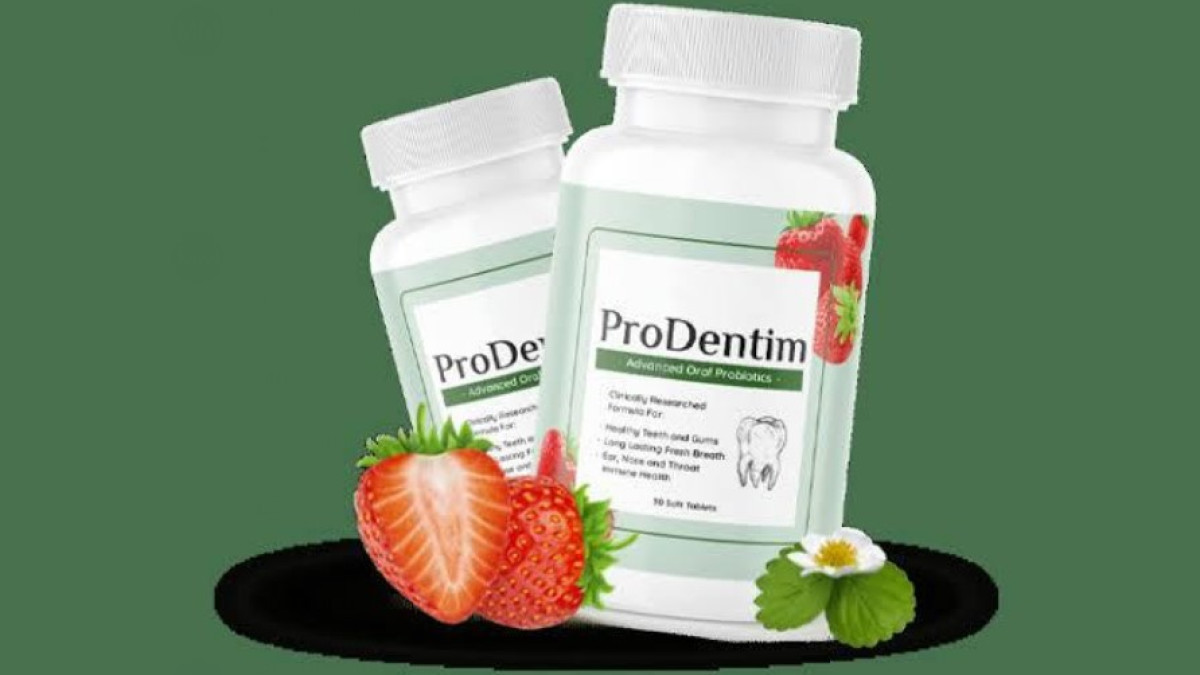
A dietary supplement is a product that you can take to improve your overall health. These supplements are not regulated by the FDA, so it is important to do your research before purchasing one. There are many different types of dietary supplements available on the market, and it can be difficult to figure out which ones are right for you. In this blog post, we will discuss the different types of dietary supplements available, as well as whether or not you need them!
To know more about oral health supplements, visit https://www.firstpost.com/.
What Are Dietary Supplements, and Do You Need Them?
There are a lot of different types of dietary supplements on the market today. So, what are they? Dietary supplements are basically any product that you take to supplement your diet. This can include vitamins, minerals, herbs, amino acids, and more.
But do you actually need dietary supplements? That’s a bit of a tricky question. If you have a well-balanced diet and get enough nutrients from your food, then you probably don’t need them. However, if you’re not getting enough nutrients from your diet or if you have certain health conditions that require additional nutrients, then supplements can be helpful.
If you’re thinking about taking dietary supplements, it’s important to talk to your doctor first. They can help you determine if you actually need them and, if so, which type of supplement would be best for you.
There are several distinct types of dietary supplements on the market today. So, what exactly are they? Dietary supplements, as the name implies, are any substance used to complement a diet. Vitamins, minerals, herbs, amino acids, and other substances might be included in this category.
In the end
There are a lot of different opinions out there about whether or not dietary supplements are necessary. Ultimately, the decision comes down to each individual’s unique needs and health goals. If you’re unsure about whether or not you need dietary supplements, talk to your doctor or a registered dietitian for more guidance.