When choosing a respiratory device, it is essential to consider the specific needs of the individual. Some devices are better suited for certain people than others. A variety of factors should be considered when choosing a respiratory device, including the type and severity of the individual’s respiratory condition, lifestyle, and budget.
Respiratory Devices for People with COPD
There are a variety of respiratory devices available for people with COPD. The most common type of device is an inhaler. Inhalers deliver medication directly to the lungs, where it can help to improve breathing. Inhalers are available both with and without a prescription.
Another common type of respiratory device is a chest expander. Chest expanders help to stretch and open the chest, making it easier to breathe. They are often used with other respiratory devices, such as inhalers or nebulizers.
Respiratory Devices for People with Asthma
People with asthma often need to use a different type of respiratory device than those with COPD. The most common type of device for people with asthma is an inhaler. Inhalers deliver medication directly to the lungs, where it can help to open airways and improve breathing.
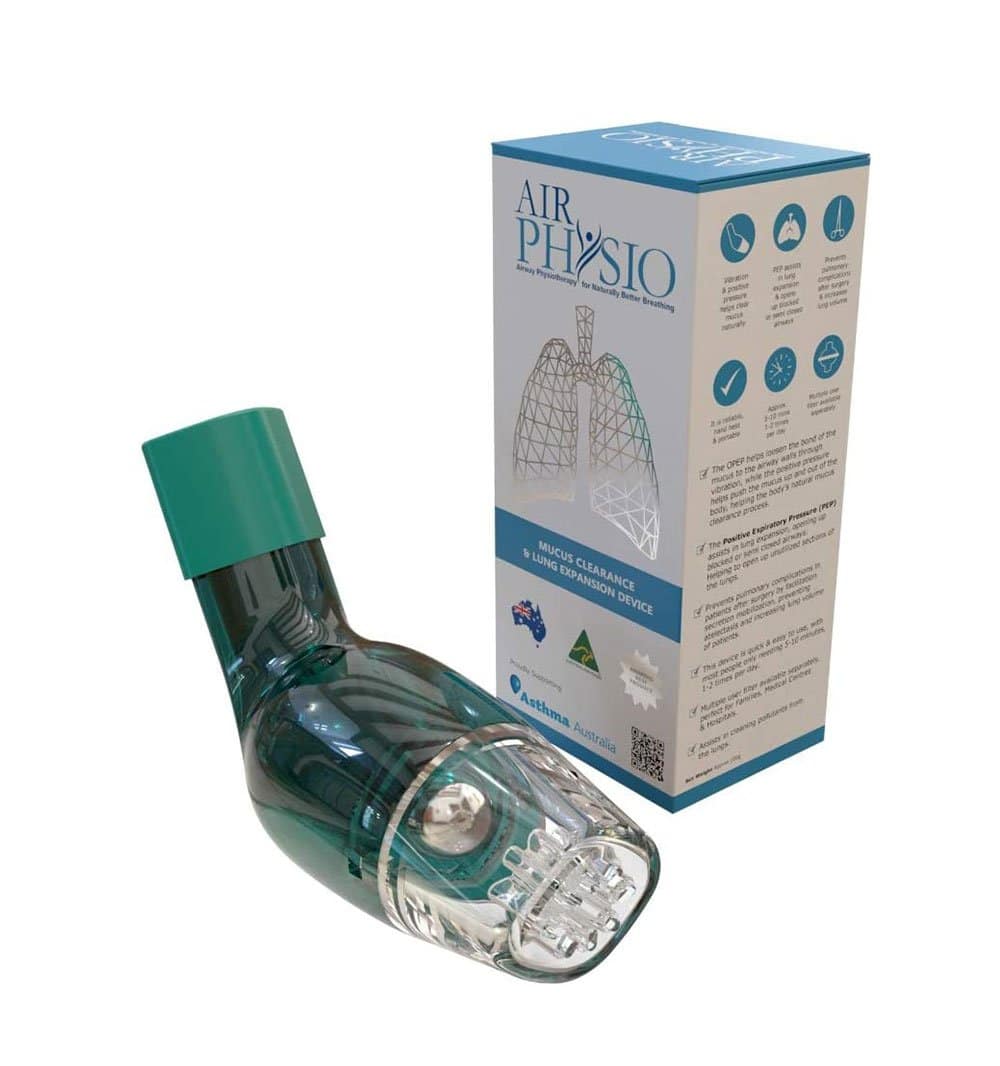
Inhalers come in both prescription and over-the-counter varieties. Other standard respiratory devices for people with asthma include nebulizers and peak flow meters. Nebulizers turn medication into a mist that can be inhaled, while peak flow meters help to measure how well the lungs are working. So, now one can use an air physio.
Respiratory Devices for People with Other Conditions
People with other respiratory conditions may also need to use different types of respiratory devices than those with COPD or asthma. The most common device for people with other conditions is a respirator.
A respirator helps pump air in and out of the lungs, making breathing easier. It is often used for people who have difficulty breathing on their own. Other common types of respiratory devices include oxygen tanks and CPAP machines.
Oxygen tanks supply oxygen to the body, while CPAP machines help to keep the airways open during sleep.