
Chemical facilities are among the most hazardous work environments due to the nature of the materials handled and the processes involved. Chemicals and volatile substances, if not properly stored or managed, can lead to dangerous fires or explosions. As a result, fire safety in these facilities is of paramount importance, and Fire Watch Guards play a critical role in ensuring safety, preventing accidents, and managing fire risks. In this article, we examine how Fire Watch Guards contribute to the safety and risk management efforts of hazardous chemical facilities, focusing on their roles in fire prevention, emergency response, and compliance.
What Makes Chemical Facilities High-Risk Environments?
Chemical facilities, including manufacturing plants, refineries, and storage facilities, are inherently high-risk environments due to the presence of flammable and reactive materials. Chemicals such as solvents, gases, and oils are highly susceptible to ignition, and even small sparks or faulty equipment can lead to catastrophic fires or explosions. Additionally, chemical reactions and complex processes can create conditions where fires or leaks are more likely to occur.
In such environments, Fire Watch Guards are essential for monitoring hazardous areas, ensuring that all fire safety measures are in place, and maintaining a proactive approach to risk management.
How Do Fire Watch Guards Ensure Fire Prevention in Chemical Plants?
The primary responsibility of Fire Watch Guards in chemical facilities is to prevent fires from starting in the first place. Guards conduct regular inspections of the facility, looking for potential hazards such as leaking pipes, improperly stored chemicals, faulty electrical systems, and equipment that may overheat. Their role is to detect early signs of potential risks before they escalate into dangerous situations.
Guards are also responsible for monitoring hot work activities, such as welding or grinding, which generate sparks that can ignite flammable materials. They ensure that proper fire-resistant barriers and fire extinguishers are in place, and that safety protocols are strictly followed.
By continuously monitoring these high-risk activities, Fire Watch Guards prevent fires from starting, reducing the likelihood of damage to the facility and minimizing the risk to human life.
How Do Fire Watch Guards Contribute to Emergency Response?
In the event of a fire or chemical spill, Fire Watch Guards are the first line of defense. Their training in fire safety, emergency procedures, and hazardous material handling enables them to respond quickly and effectively in an emergency. Guards immediately alert emergency responders, direct workers to safety, and, if possible, use fire suppression tools to control small fires before they escalate.
Their quick thinking and familiarity with the facility’s layout allow them to coordinate evacuation plans and ensure that personnel are safely escorted to designated assembly points. They also assist emergency teams by providing key information about the fire, the location of hazardous materials, and the status of fire suppression systems.
How Do Fire Watch Guards Ensure Compliance with Safety Regulations?
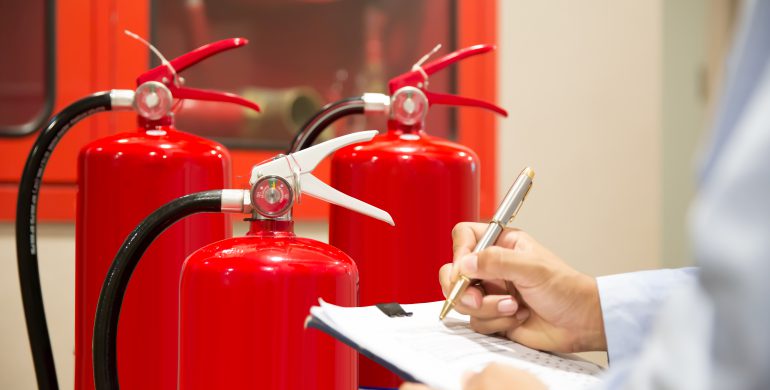
Chemical facilities are subject to stringent regulations concerning fire safety, hazardous materials handling, and emergency preparedness. Fire Watch Guards play a crucial role in ensuring compliance with these regulations by conducting regular inspections of fire safety systems, such as alarms, extinguishers, and sprinkler systems. They ensure that fire exits are unobstructed and that all employees are properly trained in fire prevention and emergency response.
Guards also document safety checks and inspections, providing detailed records that can be used during regulatory audits or inspections. This ongoing monitoring and documentation ensure that the facility maintains compliance with both local and national safety standards.
How Do Fire Watch Guards Minimize Business Disruption?
In a chemical facility, even a minor fire can lead to significant downtime, operational delays, and financial losses. Fire Watch Guards help minimize these risks by preventing fires before they start, and by quickly managing emergencies when they arise. Their ability to respond quickly and effectively ensures that fires are contained before they can spread, minimizing the potential damage to property and operations.
Additionally, by ensuring that fire safety systems are always in good working order, Fire Watch Guards help maintain business continuity and prevent operational shutdowns. Their vigilance reduces the likelihood of prolonged downtime, helping the facility continue operations with minimal interruption.
Conclusion: The Essential Role of Fire Watch Guards in Chemical Facility Safety
In hazardous chemical environments, the presence of Fire Watch Guards is crucial for preventing fires, maintaining compliance with safety regulations, and ensuring that the facility is prepared for emergencies. Their proactive monitoring, emergency response capabilities, and compliance oversight provide a comprehensive approach to fire safety, reducing risks and ensuring that operations continue safely. For chemical facilities, investing in Fire Watch Guards is an essential step in mitigating fire hazards, protecting employees, and safeguarding business operations.
